Our Story

Humble Beginnings

In 2013, Dr. Stephen Swanson and Jodi moved with their family to Tanzania. As an academic pediatrician and infectious disease physician, Steve initially expected his work in East Africa to resemble his career in the United States—focused on hospital pediatrics and research. However, he soon realized that the pediatric infectious diseases he was familiar with were no longer the leading causes of childhood death in the region. Instead, newborn conditions such as prematurity, sepsis, and birth asphyxia became the primary challenges in the fight for survival.
 

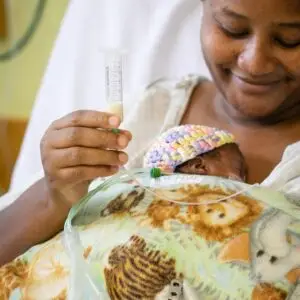
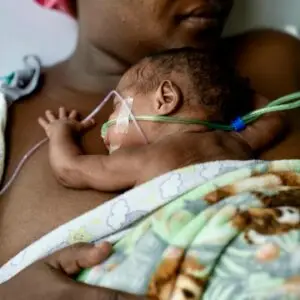
Babies were born or transferred to their hospital each day, small and fragile, struggling to breathe and stay alive. The neonatal intensive care unit (NICU) at the hospital where Dr Steve served grew out of this urgent need. While mistakes were made and losses faced, a strong conviction emerged within the team: every baby deserves a chance to go home, and every breath counts, no matter how small.

60

Building a Model NICU

Over the past decade, this conviction has translated into remarkable results. Today, more than 90% of the babies in the NICU survive—including those born extremely premature, weighing less than 2.2 pounds (1,000 grams). Most of these children grow into bright, active, and healthy individuals. More than 2,500 babies are alive today because of this approach.
 

Dr. Swanson and his team have achieved these outcomes not through expensive machines or technology ill-suited for their setting, but through evidence-based, low-cost, and context-appropriate care. They focus on protocols tailored to their hospital, mentorship of nurses and physicians, elevating the role of Tanzanian nurses, and empowering mothers to be directly involved in their baby’s care. Their experience demonstrates that equipment alone does not save babies—skilled doctors, nurses, and families do.

52

Ensuring Every Child Has a Chance to Survive and Thrive

While progress has been made, millions of preventable child deaths still occur each year, highlighting the urgent need for equitable access to life-saving care: Levels and trends in child mortality, the United Nations Inter-Agency Group for Child Mortality Estimation, Report 2025 (March 17, 2026).

We believe where a child is born should never determine whether they live or die. That’s why ICHA is committed to strengthening health systems, training frontline providers, and expanding access to high-quality maternal and pediatric care—so that every mother and every child has a chance not just to survive, but to thrive.

Training Clinical Specialists in Neonatology
PictureRecognizing that the knowledge and practices developed at ICHA had the potential to be replicated across Africa through focused education and training, we published a 400-page handbook, Every Breath Counts, Manual of Neonatal Care & Drug Doses, and we launched a Tiny Feet, Big Steps conference in Arusha. We expanded the conference to Ethiopia, and are making plans for Uganda—strategically training and empowering medical professionals across the continent, fostering sustainable improvements in neonatal care.

Mentorship is a core aspect of ICHA’s mission, investing in African doctors and nurses through long-term clinical training, bedside teaching, and leadership development to build sustainable pediatric and neonatal care across Africa. Read more about mentorship.

You can explore the milestones that shaped the development of the Arusha NICU, the Every Breath Counts handbook, and the Tiny Feet Big Steps conferences.
 
We invite you to join us in this journey.
With your partnership, we can save thousands more lives. Together, we can ensure that even the smallest babies in sub-Saharan Africa have the chance to grow, thrive, and go home healthy.
Who We Are

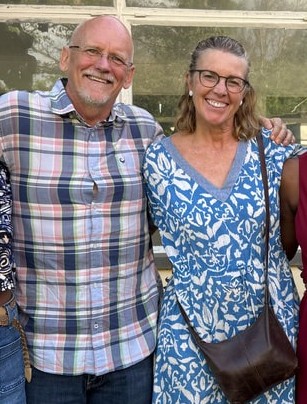
ICHA was founded by Dr. Stephen and Jodi Swanson.

Stephen Swanson, MD, DTM&H, FAAP, Associate Professor Division of Global Pediatrics University of Minnesota Medical School. A board-certified pediatric and infectious disease physician and serves in the care of children at Arusha Lutheran Medical Center (ALMC), Selian Lutheran Hospital and soon, the Arusha Pediatric and Maternity Centre in northern Tanzania.

Steve graduated from Harvard Medical School in 1997, and subsequently completed his pediatric residency at Children’s Hospital and Research Centre at Oakland.  He was a neonatal intensive care unit (NICU) hospitalist at Stanford University Hospital before completing a postdoctoral fellowship in pediatric infectious disease at Washington University School of Medicine and Epidemiology training at the Centers for Disease Control and Prevention and the Minnesota Department of Health.  Following his time at Minnesota Department of Health, he served as the pediatric inpatient medical director at Hennepin Country Medical Centre, and on faculty at University of Minnesota Global Pediatrics Program.  Steve is:

  • Founder and Chair, Tiny Feet Big Steps Neonatology Conferences.
  • Founder, Institute for Child Healthcare Africa (ICHA).
  • Director, Neonatal Intensive Care Unit Arusha Lutheran Medical Centre, Tanzania.


Jodi Swanson, a pediatric nurse, participates in the care and management of severe acute childhood malnutrition in the hospital and community, as well as being active in nursing and health education and training community health workers.  Jodi trained in Biology at Wheaton College and received a Nursing Doctorate (ND) in Pediatric Nursing at Case Western Reserves University.

The approach that Steve and Jodi take focuses on education and training and the use of resource appropriate technology. 

steve and jodi

Dr. Steve introduces ICHA’s work